

On the occasion of the Persian New Year, locals have gathered at the cemetery of Minab. The city of 100.000 lies next to the great river of the same name – now dried out as a consequence of climate change and resource mismanagement. Only 20 kilometres away from the Strait of Hormuz in a new corner of the town cemetery, four new grave files are dug, each now decorated with Iranian flags and portraits of the minors they bury.
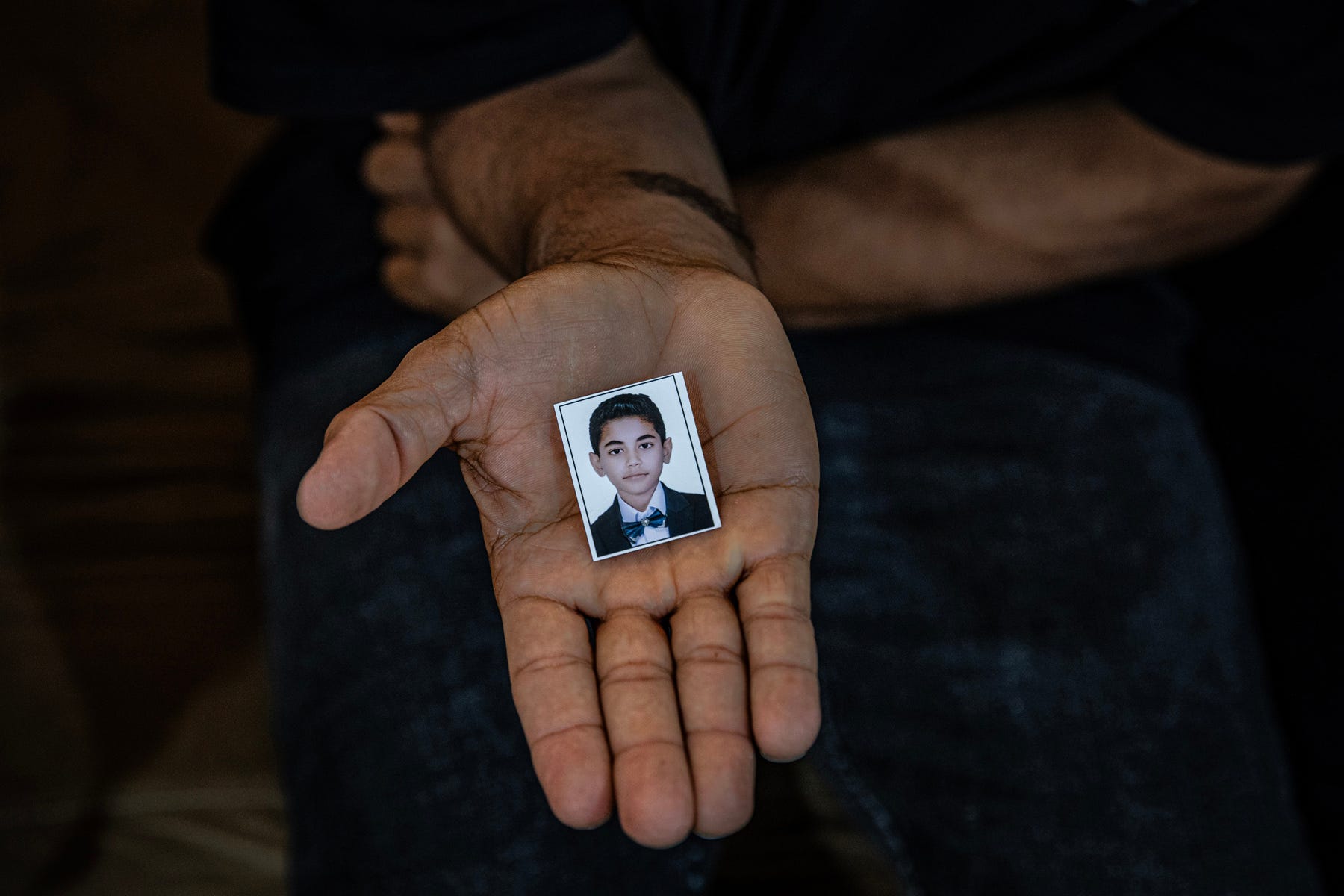
On 28th February 2026, an elementary school compound was struck twice by U.S. missiles. It consisted of two schools. “The first strike produced debris that blocked the main door to the building” says Yasamin Neyestani, who lost her son Arash Gol-Azin in the attack. Her daughter, Athena who went to the same school survived only to blame herself ever since as Ms Neyestani elaborates.
Expecting the turnout of the relatives at the graveyard on the occasion of the New Year, local authorities have set a stage. Speakers commemorate the deceased children. Ms Neyestani and her husband Bahram Gol-Azin came to Arash’s grave in early afternoon and decorated it with the traditional Haftsin – a set of natural symbols for the Iranian New Year – on top of the Iranian national flag that covers the gravestone.
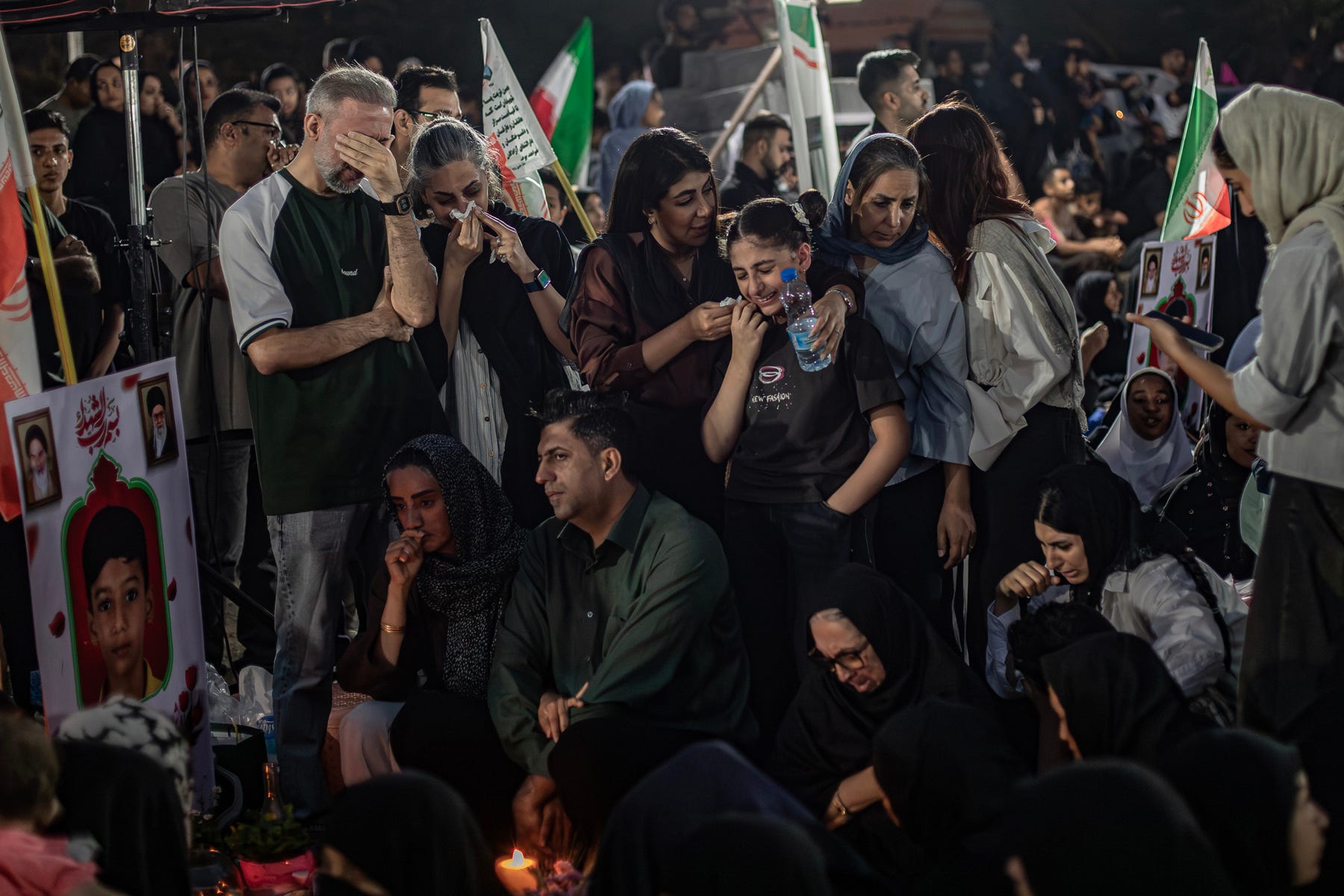
Over the next hours, as ceremonial lamentations broadcast from the stage fill the air, relatives and acquaintances gradually show up at the cemetery to show their sympathy with the families of the children – innocent minors, now commemorated as martyrs of the first hour of a war that may shape the world order anew.
Arash’s father cries at the grave and cannot engage in the conversation. Ms Neyestani sobs, takes a deep breath and continues: “It took us two days to find and identify Arash. Two of his toes were grown together, for which he was ashamed when he started school. I had told him this makes you special, if you are lost one day, we will find you by this sign! At last his father identified him because of that.” – indicating how unrecognizably burnt and torn the children’s corpses were.
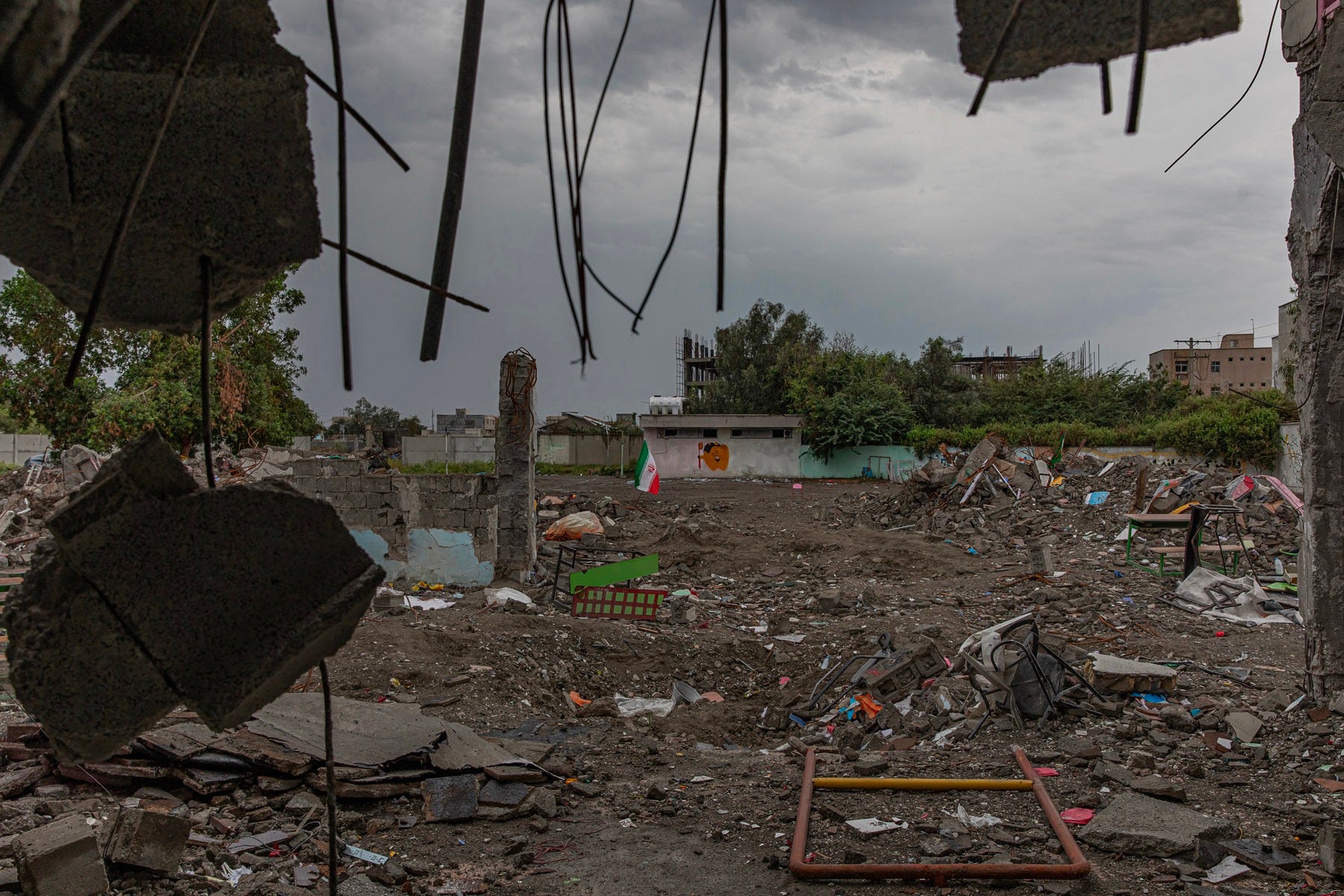
While the Gol-Azin family was lucky enough to find the remains of their son, a few families were initially left in ambiguity. There was no visually identifiable trace of their children, and of a teacher, to be found under the debris of the school.
Contrary to many initial reports that only a girls’ primary school was hit, the building consisted of two schools. The “Shajareh Tayyebeh”1 elementary school for girls in the upper floor and the “Rahpouyan-e Shohada-ye Khaleej-e Fars”2 boys’ elementary school in the lower floor – with separate yards, given that school education in Iran is gender segregated. According to multiple witnesses, a number of girls could evacuate over the debris of a fallen wall after the first strike, yet most boys were locked in by the same debris of the upper floor, resulting into more boys being killed.
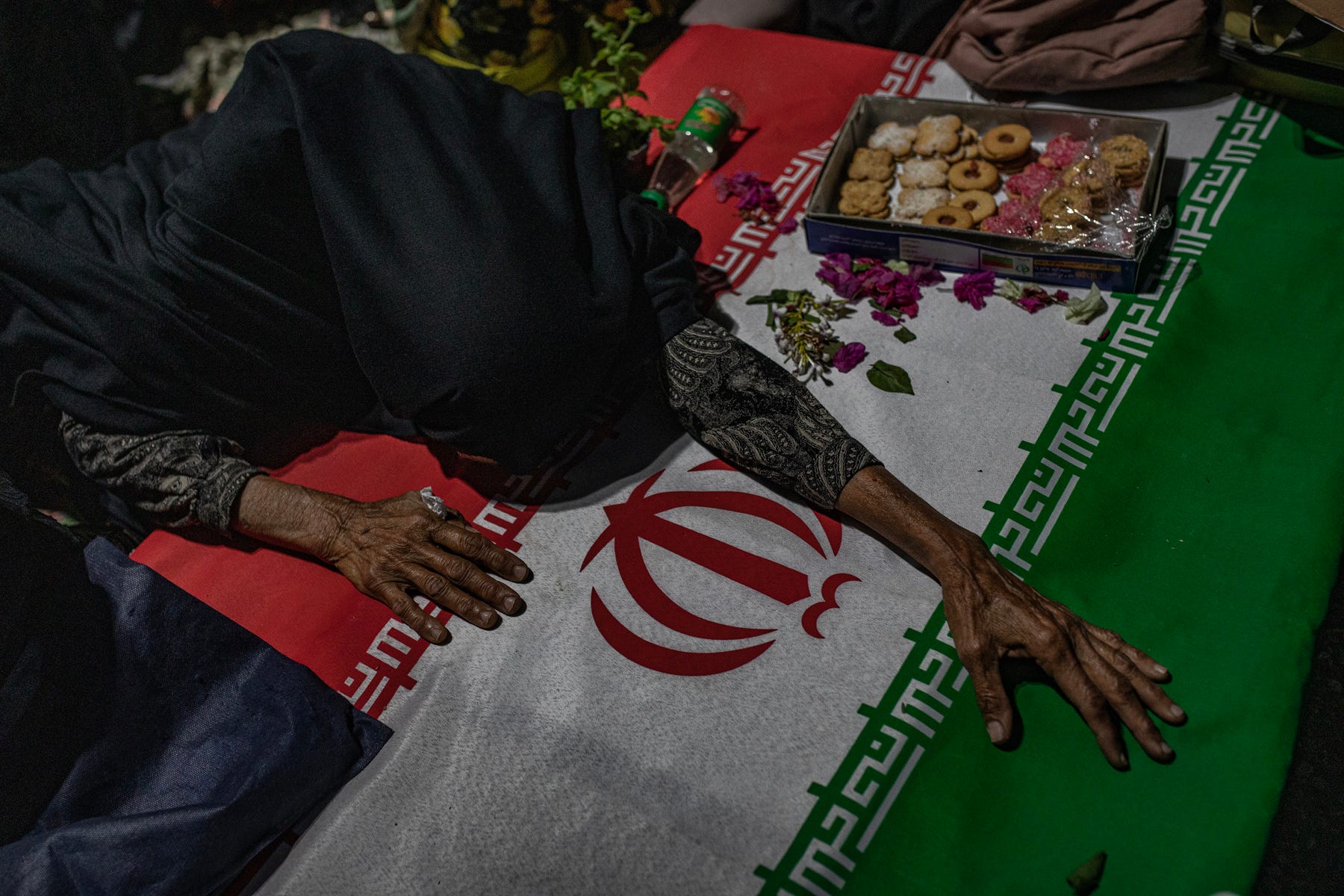
Figures provided by the local representative of Iran’s martyr foundation, the official welfare agency responsible for the deceased of the war consist of 120 children, 26 teachers and school employees, as well as 9 parents that were killed in the strikes – a total civilian death toll of 155. With the corpses of three nowhere to be retrieved.
One of those, is Mohammad-Taha Jafari who went to the fourth grade of the school. In a less affluent neighbourhood in the centre of Minab, some four kilometres away from its compound, Massoud Jafari sits on a beige sofa in their living room. He remembers his son Mohammad-Taha as very generous with his friends: “He shared everything with them. His toys were mutually used by his friends – at the local grocery I often had to even his account threefold, because he tended to invite his buddies, too.”
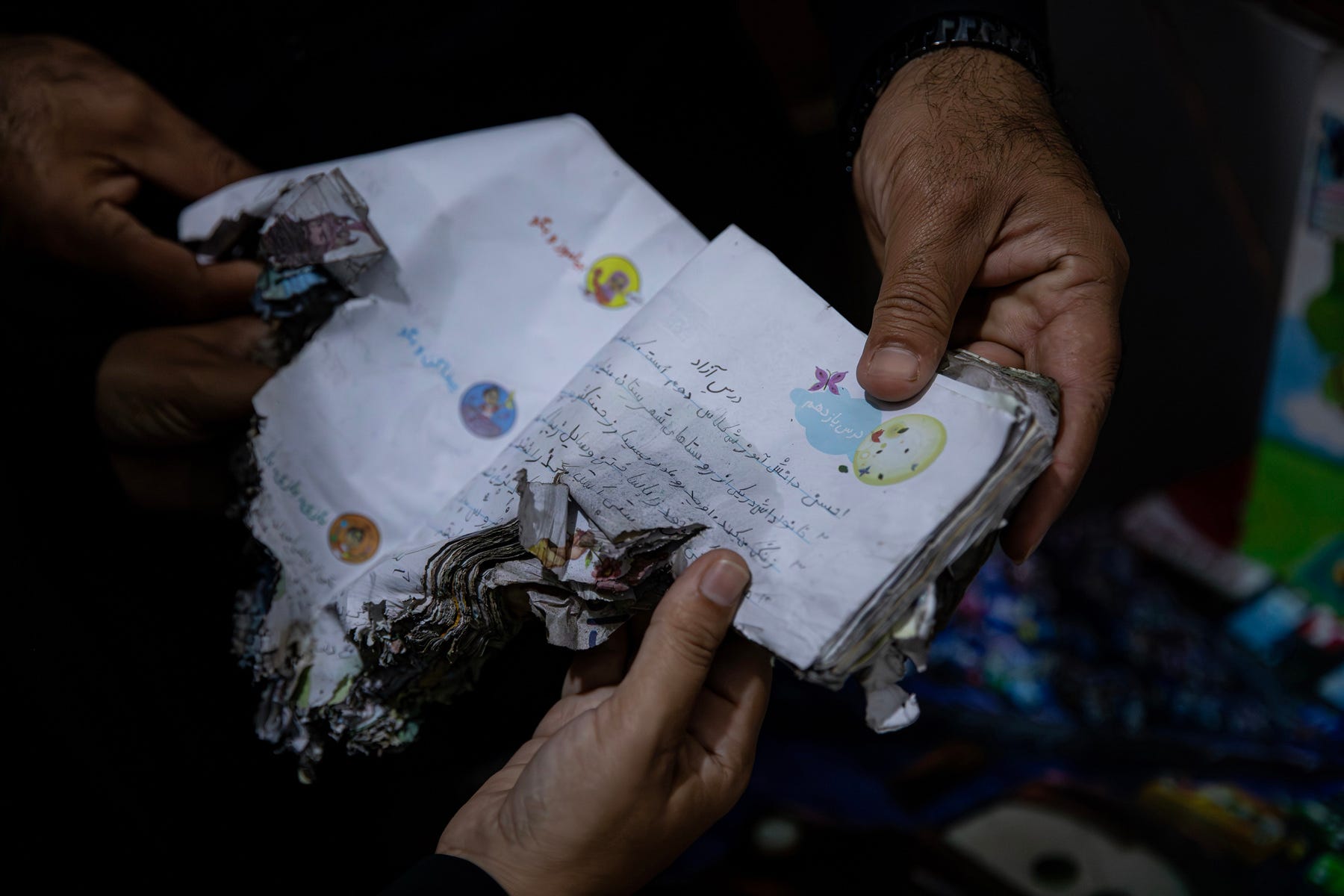
His parents are now left with their younger son Ilya. Mr Jafari, a construction contractor recounts “when they hit the school, I was working in a high rise and noticed somewhere in Sheykhabad district, where the school is situated, had been hit. But I wouldn’t think it was the school itself.” He continues “his mother called me to go and to pick him up. The main road was terribly congested, I used a side road to get home and take the motorbike. When I came close to the school, they had already closed the road.”
When I entered the school yard, I saw debris piled over the children. All over the yard remains of torn meat, arms and legs were spread.
While Ilya, the pre-school age son, who still cannot grasp the sudden loss of his brother, plays in the alley with Mohammad-Taha’s friends, Mr Jafari describes the ordeal they have gone through: “When I arrived at the road closure, I told the police that I was called to pick up my son from the school. They didn’t say anything, and let me through. The closer I got, the more chaotic became the scenery.”
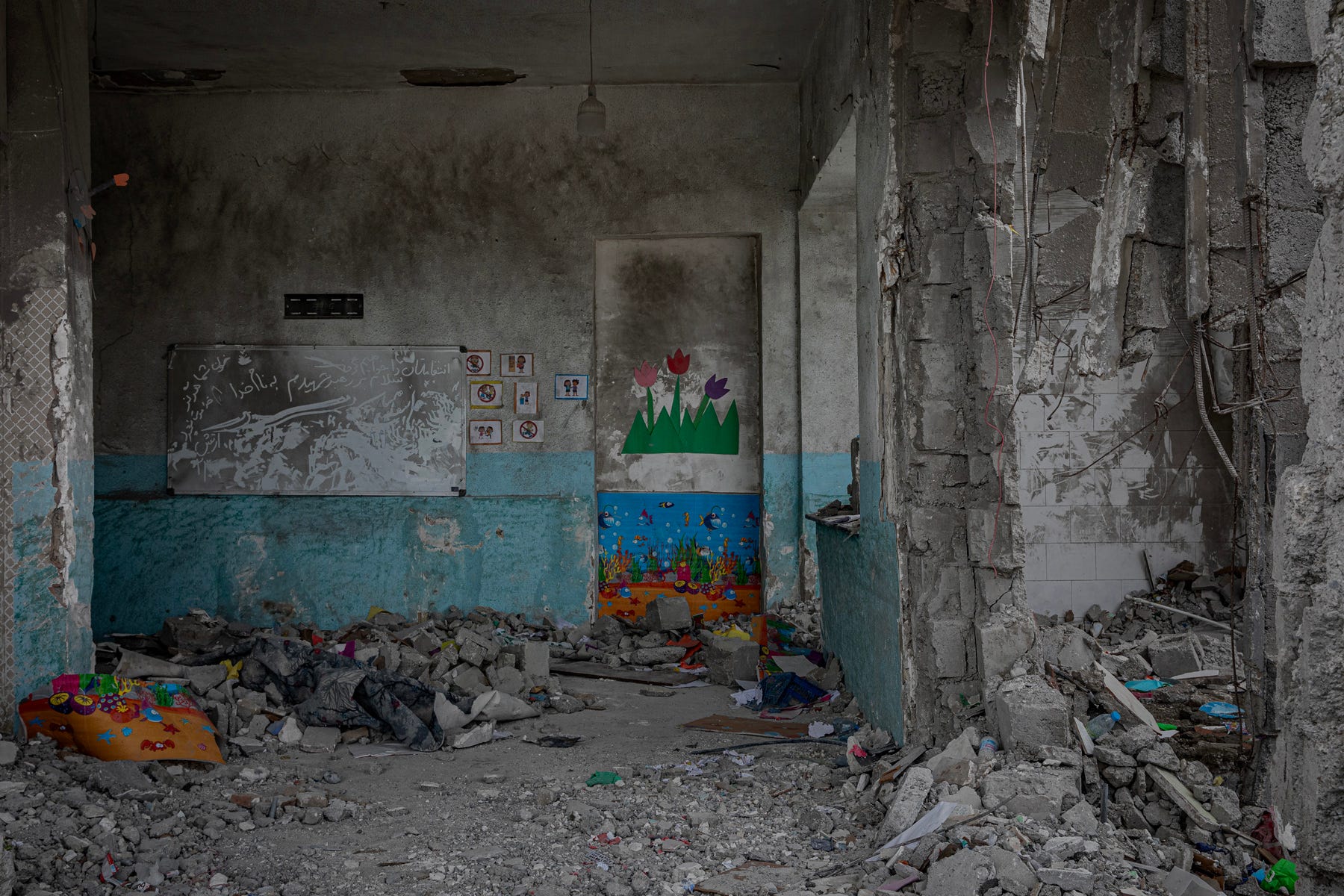
Mr Jafari continues: “I initially thought people have come for curiosity. Still I had not understood that the school was struck. It was until I saw an acquaintance whose son went to the same school, who was weeping and hitting himself. That’s when I realised everything.”
“When I entered the school yard, I saw debris piled over the children. All over the yard remains of torn meat, arms and legs were spread. A lot of people had come. That’s when I realised my child is gone. But little I knew then that nothing would have remained from him” – noting that no identifiable remains of his son were found. He had to give a DNA test, in order to determine if any of the human fragments can be matched with Mohammad-Taha.
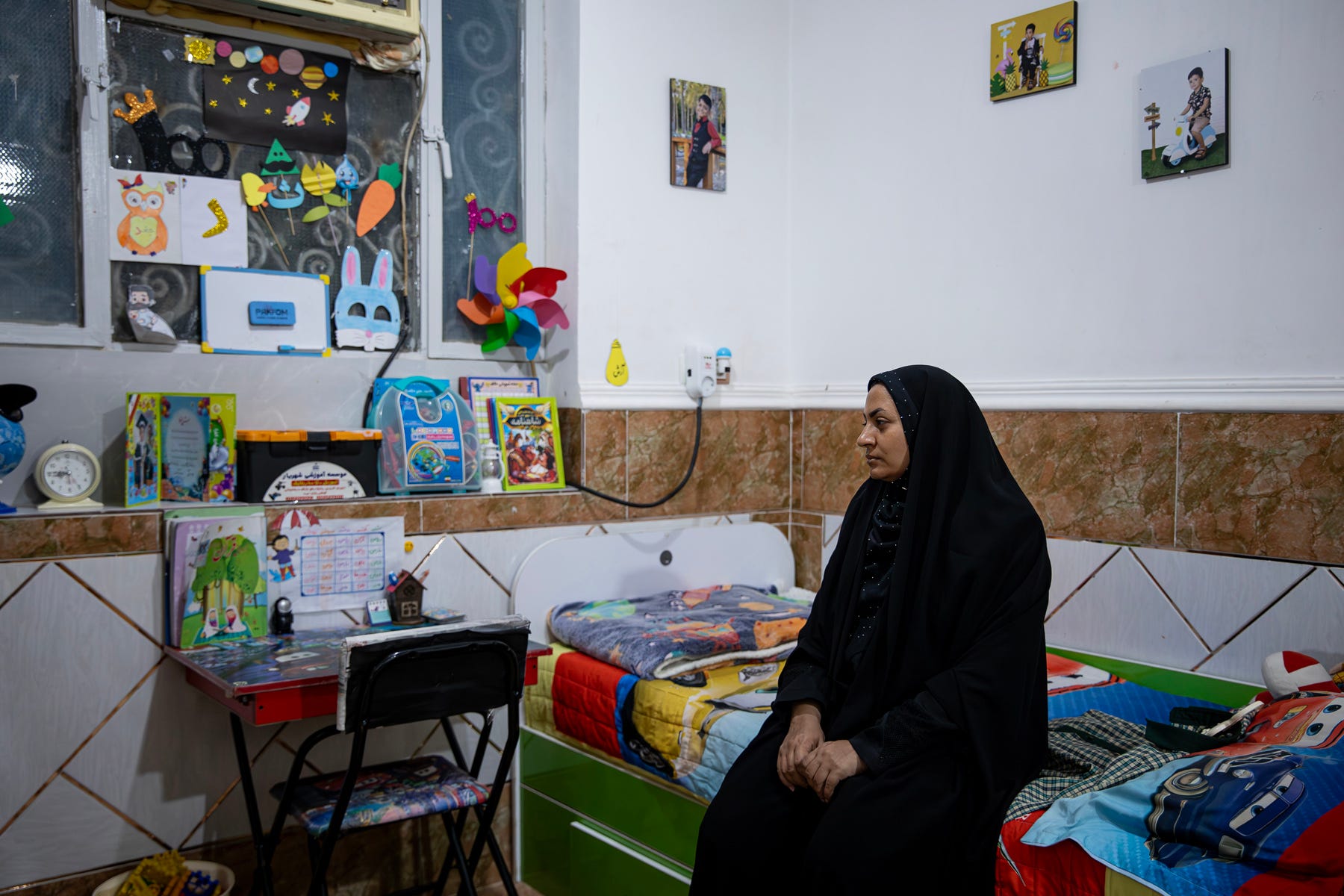
A month after the school bombing, on 29th March 2026 the head of judiciary of Hormozgan province declared that “the identification of three of the deceased was not possible with conventional methods. But DNA examination has so far fortunately confirmed the identities of the student Mohammad-Taha Jafari and the teacher Razieh Zamani.” – offering final certitude for their families. A pair of legs where the only human remains to be matched to Mohammad-Taha.
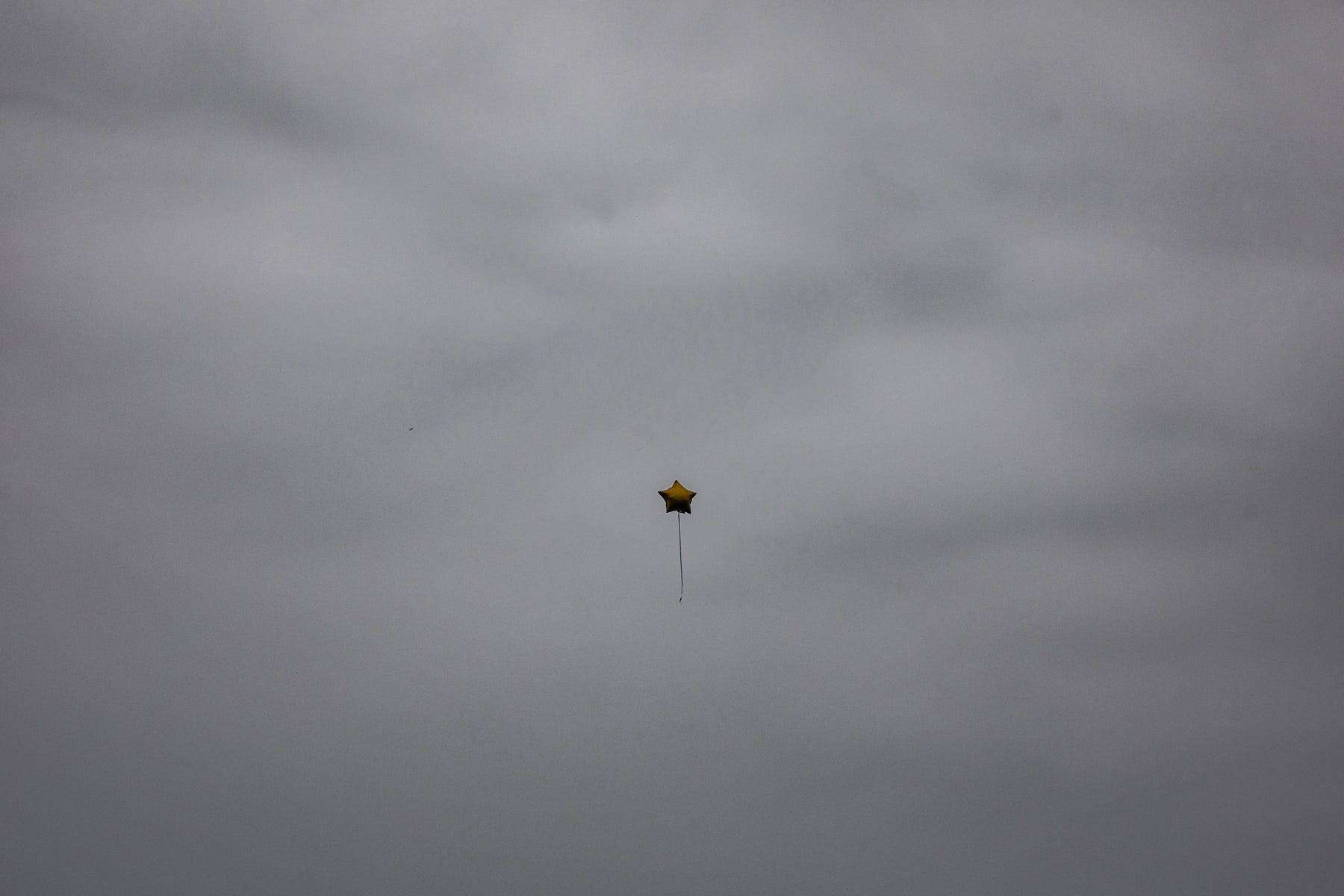
The outliving relatives’ grief is still deep. In late March, the UN Human Rights chief Volker Türk condemned the school bombing as “visceral horror”. The remote murder of 120 innocent children has turned into a national trauma, and Minab into a haunting testimony to a heinous U.S. war crime – enough reason for a generation to detest the West.
—
Photographs: © Erfan Kouchari, 2026 - All Rights Reserved
The research of this article has been made possible with the kind support of Helsingin Sanomat.
Translates as “Tree of Purity”
Translates as “Seekers of the Path of the Martyrs of Persian Gulf”